Take Breaks When Necessary to Avoid Over Exhaustion

Leslie Guerin • September 3, 2025

Why pacing, pause, and rest are just as important for our clients—and ourselves—as the workout itself.

As teachers, we live in the constant rhythm of cueing, correcting, motivating, and guiding others through movement. We spend hours on our feet, holding energy for the room, and keeping classes flowing. At the same time, we’re role models. What we say, how we demonstrate, and the choices we make in our own bodies communicate to clients more than we realize.

One of the most under-discussed but essential lessons we can model for our clients—and remember for ourselves—is this: take breaks when necessary to avoid overexertion.

Micro-Breaks in Class: The Natural Pause

If you’ve been teaching for any length of time, you’ve seen it:

  • A client in the Hundred quietly drops their head down for a few beats, then picks it back up.
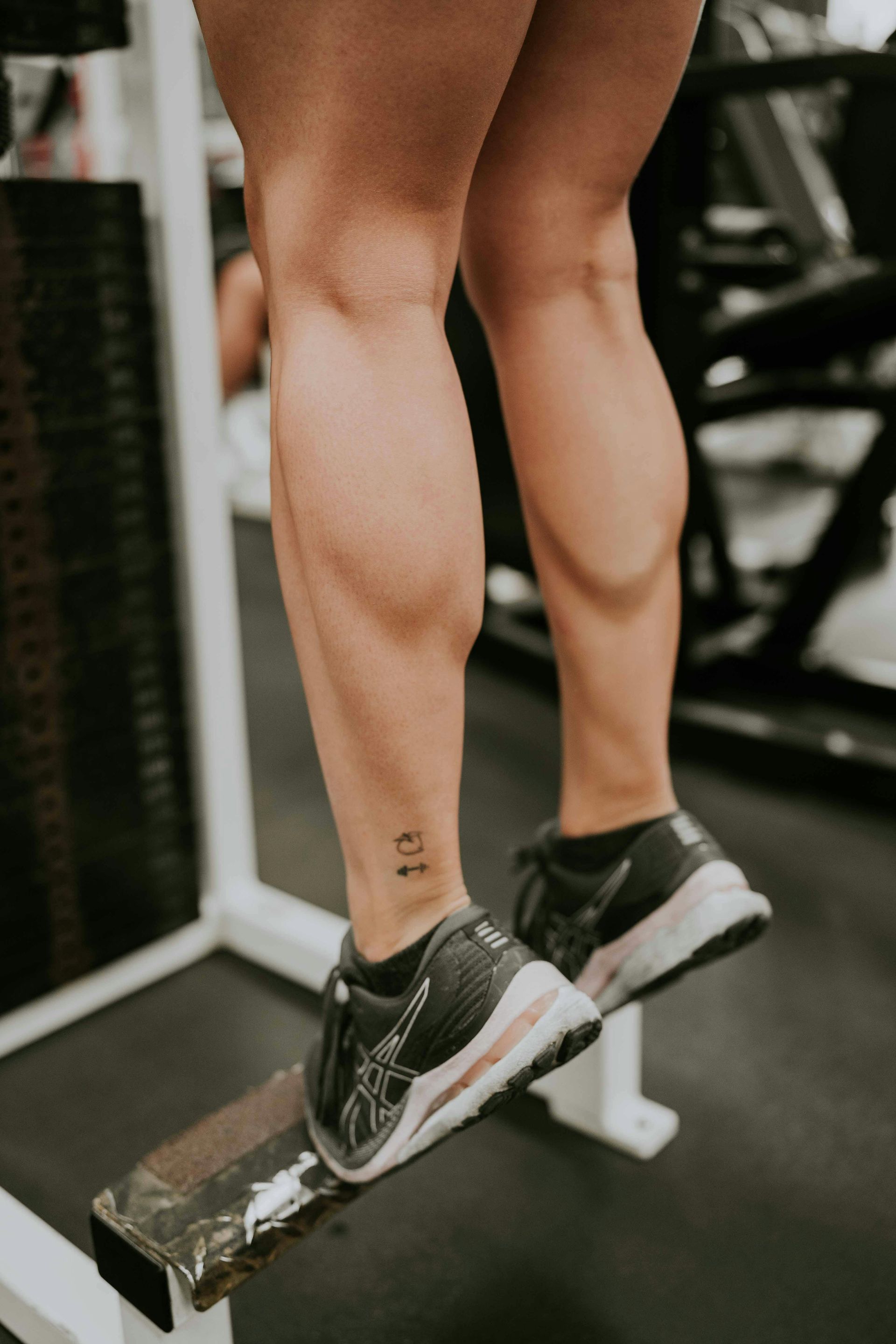
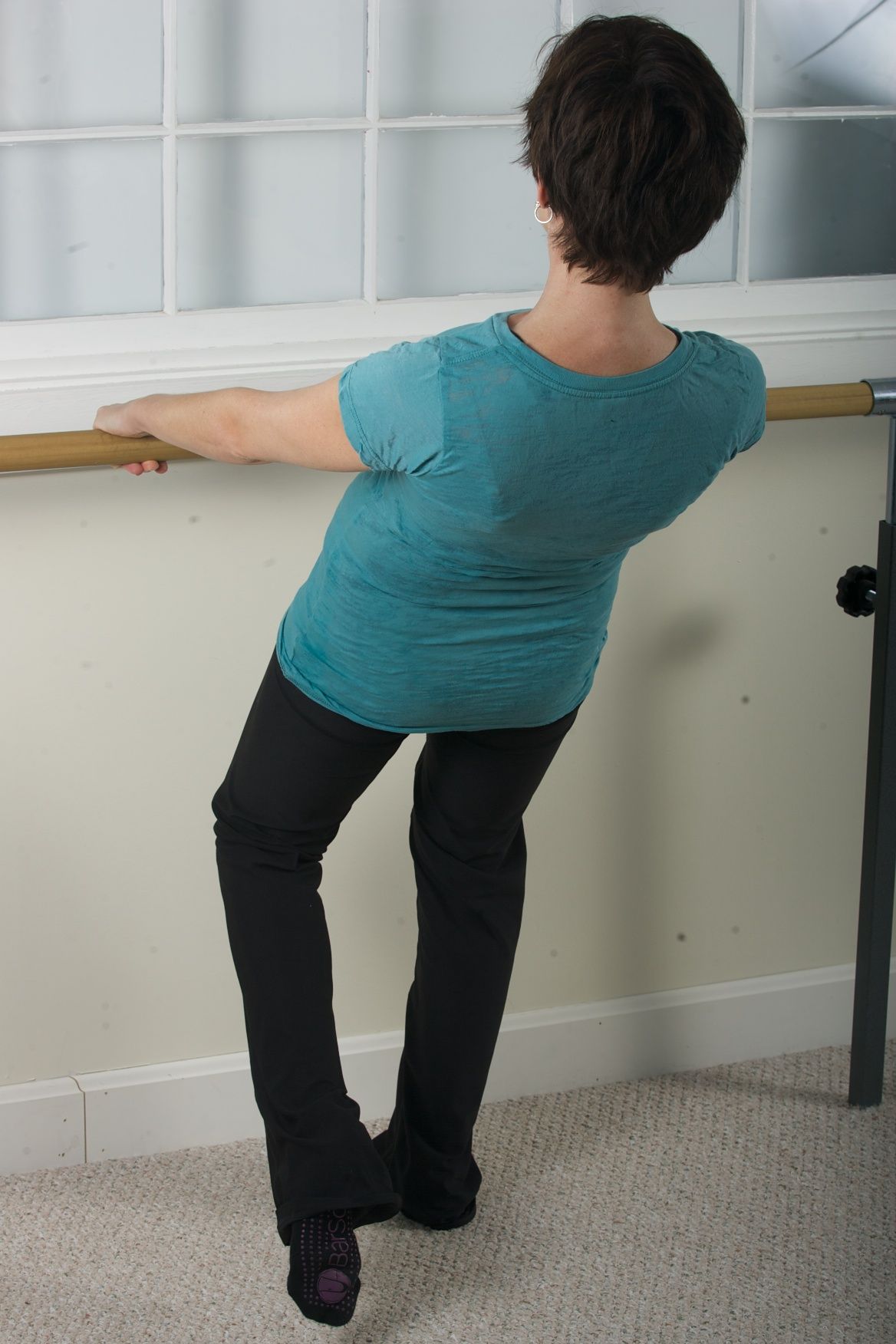
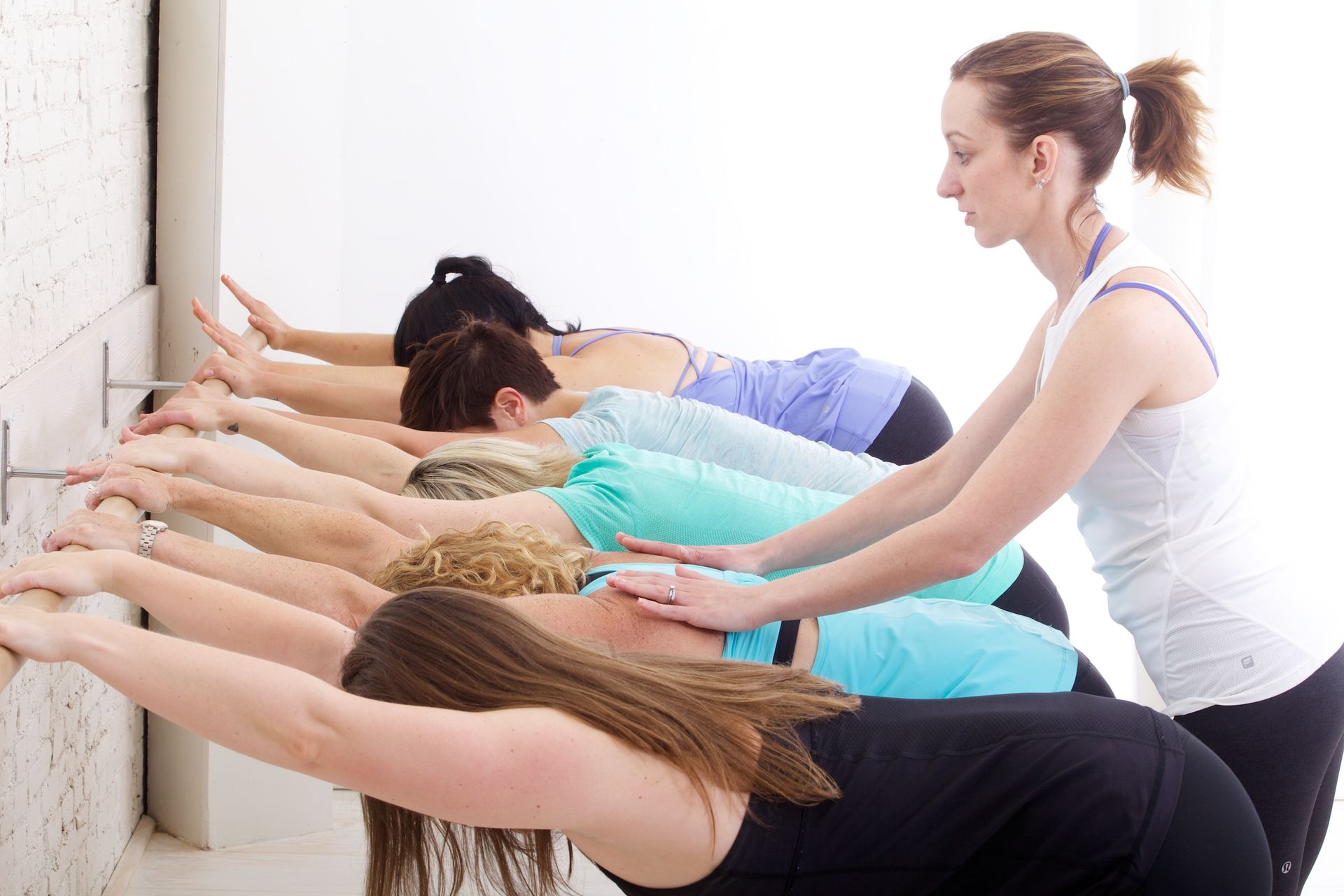
  • During thighwork at the barre, someone pauses mid-burn, shakes out their legs, then jumps back in.
  • A student hangs in forward fold just a little longer before rejoining the group.

These micro-breaks are natural. They’re often all a client needs—a few seconds of release to reset their nervous system, let go of tension, or breathe before re-engaging. As teachers, we don’t need to panic when we see it. In fact, I often encourage it.

But not all “breaks” are created equal. And as teachers, we can help clients (and ourselves) understand the difference between a strategic pause and a necessary step back.

Knowing the Difference: Fatigue vs. Exhaustion

It’s one thing to pause to shake off muscle fatigue; it’s another to ignore genuine exhaustion. This is where our role as teachers expands from technical guidance to thoughtful coaching.

  • Fatigue is expected. Muscles burn, form wavers, focus fades. A mini-break often does the trick.
  • Exhaustion, on the other hand, is deeper. It comes from zero sleep, a packed work schedule, emotional stress, or stacking intense workouts (hello, marathon training or multi-day hikes). In these cases, pushing through doesn’t build strength—it risks breakdown.

Our job isn’t to shame clients into pushing harder. It’s to give them permission to recognize when the best choice is to pace, modify, or even rest.

The Culture of Rest Day Guilt

Here’s the tough truth: rest day guilt is real. Clients (and teachers too) often feel like skipping a workout is failing. We live in a culture that glorifies “never miss a Monday” and “no days off.”

But here’s what I’ve seen over decades of teaching: guilt disappears quickly when comfort shows up. And comfort often arrives in the form of a small movement check-in.

  • A client who skips barre because they’re wrecked might do a 1-minute plank and feel strong, knowing they still connected to their core.
  • Someone who takes a rest day from Reformer might bang out 20 push-ups and feel reassured they’re not “losing ground.”
  • For me, comfort can come from a quick stretch, a walk, or a few Pilates bridges—something that connects me back to movement without draining energy.

The point is: rest days don’t have to mean zero movement. They can mean choosing comfort over exertion. That’s not laziness—it’s wisdom.

Teaching Clients Ownership of Their Breaks

As teachers, we can normalize breaks as part of the training process, not an interruption. That starts with the language we use.

Instead of:

  • “Don’t stop!”
  • “Push through, no breaks!”

Try:

  • “Listen to your body—take a pause if you need to.”
  • “Shake it off, then jump back in when you’re ready.”
  • “Rest is part of the work.”

We can also highlight how breaks can be used strategically:

  • In thighwork, pausing to stretch the quads before rejoining.
  • In arm series, setting weights down for a few reps, then picking them up again.
  • In abdominal work, choosing to focus on controlled breathing instead of reps for a cycle.

When we model and permit ownership of breaks, clients feel empowered to trust their bodies. That’s how longevity in movement is built.

Teacher to Teacher: Don’t Forget Yourself

And here’s the kicker: we teachers are often the worst offenders. We preach balance but skip our own rest days. We say “take care of your body” while stacking on classes, privates, workshops, and training hours until there’s no space left.

I’ve been there—overextended, running on fumes, telling myself I’ll “rest later.” But the truth is, breaks are what allow us to show up fresh, inspired, and strong for our clients. Without them, burnout is inevitable.

So here’s my gentle reminder to you, teacher-to-teacher:

  • Take the nap.
  • Cancel the extra workout.
  • Stretch instead of sprint.
  • Say no when your schedule (and your body) is already full.

You won’t lose credibility by resting—you’ll gain longevity in your teaching career.

Finding Your Comfort

Rest looks different for everyone. For some, it’s a full day off with zero movement. For others, it’s an active recovery walk or light stretching. For me, it often means giving myself permission to scale back instead of power through.

I find comfort in small, grounding movements when guilt creeps in: a plank, some push-ups, a spinal twist. They remind me that I’m still in my body, still strong, still committed—but I’m honoring my energy for the long haul.

That’s what I encourage my clients (and fellow teachers) to do as well: find your comfort, lean in, and release the guilt.

Because at the end of the day, the break you take today may be the very thing that keeps you moving for decades to come.


By Leslie Guerin February 22, 2026
There is a common misunderstanding about Pilates that has grown louder over the years: that it is meant to be gentle, slow, soft and easy. A “nice” workout. But that was never the intention. Pilates was not created to be performative. It was created to be effective. Effectiveness in movement does not come from looking impressive. It comes from precision. Somewhere along the way, the visual of Pilates became louder than the method itself. Long limbs moving with beautiful choreography and endless repetitions. Classes that look like Pilates. But looking like Pilates, being called Pilates and being Pilates are not the same thing. And most people, including many teachers, skip the part that actually makes it work. Pilates Was Never Meant to Be Performative Joseph Pilates did not design a system that rewarded momentum. He designed a system that required attention. Not attention to how something looks, though that is how you can tell if the exercises is executed properly. The attention should ideally be to how something is done. Modern fitness culture thrives on performance. Movement is filmed, shared, and packaged visually. The more dynamic it looks, the more engaging it appears. The more repetitions, the more it seems productive. This is where Barre and Pilates differ. This is where those lines have blurred and I quietly hope Pilates can resists this fad. A well-taught Pilates class may look almost uneventful from the outside. To someone expecting entertainment, it can seem understated. To the nervous system, it is deeply demanding. Because Pilates was never designed to entertain the eye. It was designed to reorganize the body. It is art, but not for arts sake. Precision Requires Attention Precision creates actual change. When movement becomes rushed, the body defaults to habit. Stronger muscles take over. Momentum replaces control. Alignment becomes approximate instead of intentional. Slowing down in Pilates is not about being gentle. It is about being accurate. It allows the brain to register position, and control. It gives the body time to respond instead of react. Precision is not passive. It is neurologically active. Holding a half curl with the neck long, ribs quiet, and breath organized requires far more attention than swinging through ten repetitions with momentum. Performing a leg circle without pelvic movement demands significantly more control than making the circle bigger or faster. The difficulty in Pilates is rarely about load. It is about coordination. Coordination should not be rushed for the sake of getting in more repetitions. Many Classes Look Like Pilates, But Aren’t Being Taught to Bodies This is where the disconnect becomes most visible. Exercises are demonstrated, copied and followed. Social media has taken the see and steal culture to new lengths! This leads to the body in front of the teacher is not being taught properly. Clients are becoming carbon copies of braod movements seen online and just simply being asked to replicate. There is a difference between cueing choreography and teaching movement. When classes focus primarily on what the exercise should look like, participants often compensate without realizing it. The neck grips during abdominal work. The hip flexors dominate leg movements. The lower back absorbs what the abdominals were meant to support. From the outside, everything appears correct. From the inside, the wrong muscles are doing the work. I know this to be true, because I have definitely performed Pilates.. and on an off day... I am sure I will unfortunately do this again. This has allowed me to really see though, that Pilates teaching requires observation. It requires adjusting range of motion, tempo, setup, and intention based on the individual body, not the idealized version of the exercise. Because the goal of Pilates is not uniform movement. It is intelligent movement. Real Pilates Feels Quieter, and More Demanding Neurologically One of the most surprising experiences for clients transitioning from performative classes to precise Pilates is how “quiet” it feels. There is less rushing and far less choreography for the sake of variety. Yet, thes classes often feels more challenging. Not because it is harder in the traditional fitness sense. But because it requires sustained mental engagement. You cannot mentally check out during precise Pilates. You are asked to notice: Where your ribs are How your pelvis is responding Whether your neck is assisting unnecessarily If your breath is supporting or disrupting the movement Which muscles are initiating versus compensating This level of awareness increases the neurological demand significantly. The brain is actively mapping movement rather than passively repeating it. That is why Pilates can feel deceptively demanding even when the exercises appear small or controlled. It is not about exhaustion. It is about organization. Gentle Is Often a Misinterpretation of Control When Pilates is described as gentle, it is usually because it lacks impact, heavy loading, or aggressive pacing. But low impact does not equal low intensity. Holding alignment under control. Moving without compensation and maintaining precision through fatigue. These are not gentle skills. They are refined skills. In fact, when Pilates is taught with true precision, many clients realize they have been overworking the wrong areas for years. Their hip flexors tire quickly. Their neck becomes aware. Their deep abdominals fatigue in ways they never noticed before. Not because the workout is harsher. But because it is finally specific. Specificity feels different than intensity. Why Precision Gets Skipped Skipping precision is rarely intentional. It is often the result of: Large class sizes Fast-paced programming Overemphasis on choreography Teacher insecurity around slowing things down The pressure to make classes feel “worth it” through visible effort Precision requires time. It requires observation. It requires confidence in subtlety. And subtle teaching can feel risky in a culture that equates visible sweat with value. But when precision is skipped, the method gradually becomes diluted. Exercises become shapes instead of tools. Cueing becomes generalized instead of specific. And the neurological depth of Pilates is replaced with surface-level movement. Teaching Pilates to Bodies, Not to Exercises One of the most important shifts a teacher can make is moving from teaching exercises to teaching bodies. An exercise is not the goal. It is the vehicle. Two people performing the same movement may need entirely different cueing, range, and pacing to achieve the intended outcome. Precision means recognizing that and adjusting in real time. It means allowing fewer repetitions with better execution. It means refining setup before adding progression. It means valuing stillness as much as movement. And perhaps most importantly, it means being willing to make the class feel quieter in order to make it more effective. Because when the body is truly learning, it does not need constant spectacle. It needs clarity. The Quiet Demanding Nature of True Pilates Clients who experience precise Pilates often describe it the same way: “It felt small, but I was working so hard.” “I had to concentrate the whole time.” “It was harder than it looked.” This is not accidental. When the nervous system is fully engaged, even controlled movements require significant effort. The demand shifts from gross muscular output to refined neuromuscular coordination. That is the part most people skip. And it is also the part that creates lasting change. Not bigger movements. Better ones. A Method That Rewards Thoughtfulness Pilates does not reward rushing. It does not reward performance. It does not reward spectacle. It rewards attention. It rewards consistency. It rewards intelligent progression. It rewards teachers who are willing to observe rather than simply lead. And in a fitness landscape that increasingly prioritizes how movement looks on camera, this quiet precision becomes even more valuable. Because bodies do not improve through performance. They improve through accurate, repeated, intentional movement. Reclaiming Precision in Modern Pilates Reclaiming precision does not mean making Pilates rigid or overly clinical. It means returning to its original intelligence. It means: Teaching fewer exercises more effectively Slowing down when needed Cueing for sensation, not just shape Observing compensation patterns Prioritizing neurological engagement over visual intensity When this happens, Pilates stops feeling “gentle” in the dismissive sense and starts feeling deeply effective. Subtle. Focused. Demanding in the way that truly organized movement always is. And that is where the real method lives. Not in performance. Not in speed. Not in how impressive it appears. But in the precision that most people overlook. Pilates doesn’t need to be harder.
By Leslie Guerin February 20, 2026
Pilates Isn’t Gentle. It’s Precise!
By Leslie Guerin February 19, 2026
Why the truth starts on the floor.
By Leslie Guerin February 16, 2026
How a simple mat became the most powerful teacher I’ve ever had, and why it’s the foundation of my body.
By Leslie Guerin February 14, 2026
“The limits of my language mean the limits of my world.” — Ludwig Wittgenstein
By Leslie Guerin February 12, 2026
How learning to listen to your body, instead of fearing it, changes everything
By Leslie Guerin February 11, 2026
(Not Just Core!)
By Leslie Guerin February 6, 2026
Why knowing when to take a private session is part of being a smart, respectful mover
By Leslie Guerin February 5, 2026
a Thousand Different Ways
By Leslie Guerin February 4, 2026
Why the Future of Movement Has to Change
Show More